
An appraisal determines a home's market value for the lender; an inspection documents a home's physical condition for the buyer. If you're financing a purchase, expect an appraisal automatically. If you want protection from costly surprises, schedule an inspection yourself. Either result can reshape your negotiation, but for very different reasons.
TL;DR:
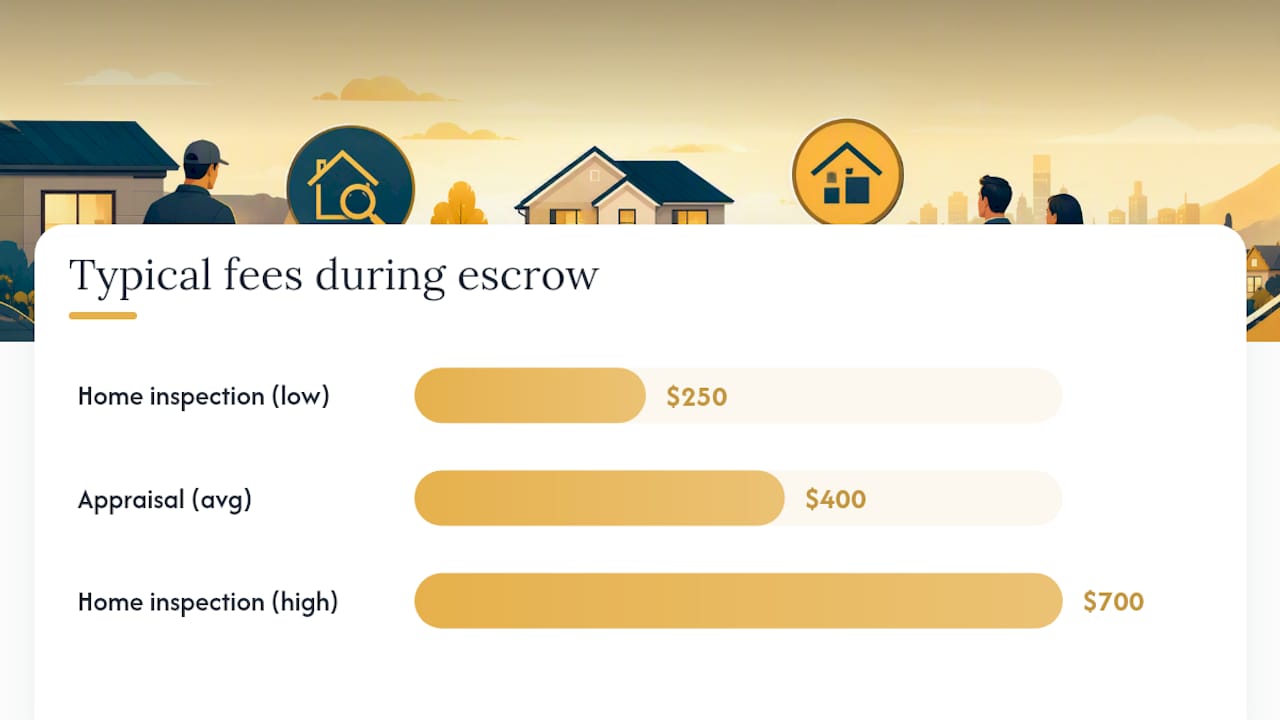
- Buyers typically pay between $250 and $700 for home inspections, while appraisals usually cost around $400; both are usually paid at closing.
- Appraisers are not trained to identify property defects; inspections focus on safety hazards, structural issues, and system functionality.
- If a home appraisal comes in below the purchase price, buyers can request a reconsideration or choose between renegotiation, bringing extra cash, or walking away.
- Inspections generally occur within the first week to ten days, and appraisals follow once the loan is in underwriting, taking about a week to complete.
- Skipping an inspection is riskier than ignoring a low appraisal in the long run, as repair costs can far exceed the financial adjustment from a low appraisal.
Table of Contents
- Home Inspection vs Appraisal: A Quick Comparison
- What A Home Appraisal Actually Measures
- What A Home Inspection Actually Covers
- When Inspections And Appraisals Happen, And What They Cost
- If The Appraisal Comes Back Low Or The Inspection Finds Trouble
- Do You Really Need Both?
- Choosing A Reliable Inspector Or Appraiser
- A Seller's Perspective On Inspections And Appraisals
- Selling Without The Inspection Headache
- The Real Gap Buyers Underestimate
- Sources
Home Inspection vs Appraisal: A Quick Comparison
The difference between inspection and appraisal comes down to who each one protects. An appraisal protects the lender by confirming the home is worth what it's lending against. An inspection protects you, the buyer, by flagging what's actually wrong with the house before you own it.
Here's how the two stack up side by side:
- Purpose: Appraisal estimates fair market value; inspection assesses physical condition and safety.
- Who hires: Lender orders the appraisal; buyer typically hires the inspector.
- Who pays: Buyer usually covers both fees, even though the lender selects the appraiser.
- Scope: Appraisal focuses on comps and overall condition; inspection digs into systems, structure, and defects.
- Typical cost: Appraisals run around $400; inspections cost $250 to $700 depending on home size.
- Timing: Both usually happen during escrow, often within the same one to two week window.
- Immediate outcome: Appraisal affects loan approval and amount; inspection can influence repair negotiations.
A large share of buyers lean on this protection: 65% of buyers used an inspection contingency in a recent national trends report. That's not a small margin, and it says something about how buyers view inspections versus appraisals. One common mix-up worth clearing up now: an appraiser is not an inspector. Appraisers assess value. They aren't trained to identify a cracked foundation or a failing water heater, and they won't crawl into your attic looking for termite damage.
What A Home Appraisal Actually Measures
An appraisal is a licensed professional's estimate of a home's fair market value, built from recent comparable sales and a general condition check. The appraiser walks through the property, takes notes and photos, then heads back to the office to compare your home against three to five similar properties that sold recently nearby.
The appraiser adjusts for differences. A home with an extra bedroom, a renovated kitchen, or a bigger lot gets valued up. A home needing a new roof or missing central air gets adjusted down. Local market trends factor in too. If prices are climbing fast, the appraiser weighs how recent those comps really are.
Not every appraisal looks the same. Lenders sometimes accept a desktop appraisal, which skips the in-person visit and relies on public records and market data. A drive-by appraisal involves a quick exterior look without entering the home. Most conventional, FHA, VA, and jumbo loans still require a full appraisal with an interior walk-through, because lenders need to confirm the property actually secures the loan amount.
Here's the part that surprises a lot of buyers: the lender orders the appraisal and picks the appraiser, but you're the one paying for it. You have very little say in who gets the assignment on a financed purchase.
- The lender selects and orders the appraisal.
- You, the buyer, typically pay the fee at closing or upfront.
- The appraiser works independently of both the buyer and seller.
- The report goes to the lender first, not directly to you.
Pro Tip: If your appraisal comes in below the agreed purchase price, don't panic and don't assume the deal is dead. You can request a reconsideration of value from your lender, but you'll need documentation, like comparable sales the appraiser missed or a factual error in the report, to back it up.
If the reconsideration doesn't move the number, you generally have three paths left: renegotiate the price with the seller, bring extra cash to cover the gap between the appraised value and the loan amount, or walk away if your contract includes an appraisal contingency.
What A Home Inspection Actually Covers
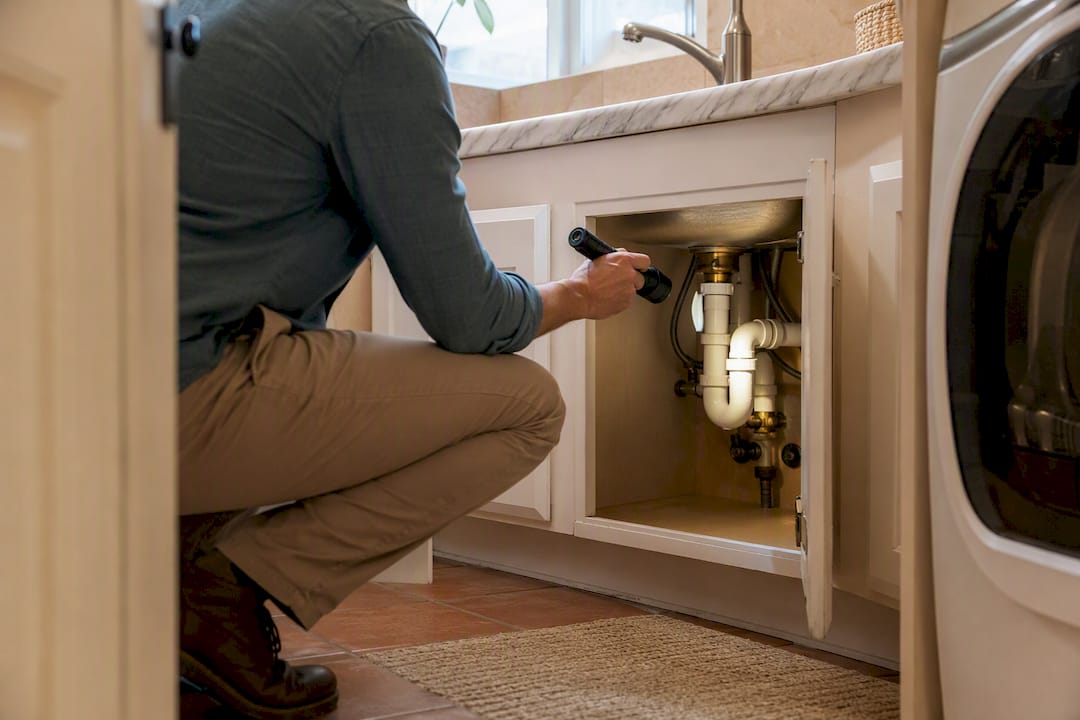
A home inspection is a hands-on, multi-hour review of a property's systems and structure, aimed at catching safety hazards and maintenance issues before you're locked into the sale. Where an appraisal answers "what's this worth," an inspection answers "what's actually broken or about to break."
Inspectors typically spend three to four hours walking the property, and they check a fairly consistent list of systems:
- Roof, gutters, and attic ventilation
- Foundation, structure, and grading around the home
- Electrical panel, wiring, and outlets
- Plumbing, water heater, and visible leaks
- HVAC system, age, and functionality
- Windows, doors, insulation, and visible moisture damage
- Appliances included in the sale
What inspectors don't cover matters just as much. Standard inspections generally exclude anything hidden behind walls, underground, or seasonal in nature, like a sump pump that only gets tested if it happens to be raining. That's why specialized inspections exist as add-ons rather than defaults: pest and termite inspections, radon testing, sewer scope inspections for older homes, and structural engineering reports when the general inspector flags something concerning.
Kenneth Hogan, a Compass real estate agent, notes that California buyers often layer on a sewer scope or pest inspection specifically because general home inspections don't crawl into pipes or dig for termite colonies. If your home has an older sewer lateral or sits in a termite-prone region, that add-on is worth the extra few hundred dollars.
Inspectors work under recognized guidelines. The American Society of Home Inspectors publishes Standards of Practice that most U.S. inspectors follow, which sets consistent expectations for what gets checked and how thoroughly.
The final report typically includes photos, a written narrative for each system, and a rating of urgency, ranging from cosmetic to safety hazard. You use that report to negotiate: request repairs, ask for a credit at closing, or in some cases cancel the deal entirely if your contract has an inspection contingency and the findings are serious enough.
Pro Tip: Read the inspection report the same day you get it, not the night before your contingency deadline. Serious findings sometimes require a follow-up specialist visit, and you'll want time to get that scheduled before your window closes.
When Inspections And Appraisals Happen, And What They Cost
Timing during escrow follows a fairly predictable pattern. Inspections usually happen first, often within the first week to ten days after your offer is accepted, since your inspection contingency deadline tends to be tighter than your financing deadline. Appraisals typically follow once your loan moves into underwriting.
The appraiser's on-site visit takes up to two to three hours for an average home, but the full report often takes about a week to reach your lender after that visit, depending on the appraiser's workload and your lender's internal process.
Costs vary by market and property, but here's the general range:
- Appraisal: around $400 on average, though larger or more complex properties can run higher.
- Home inspection: $250 to $700, scaling with square footage and location.
- Specialized add-ons: pest inspections, sewer scopes, and radon tests typically run separately and add to the total.
Both fees usually show up as line items in your closing costs, even though you often pay the inspector directly and pay the appraisal fee either upfront or rolled into closing.
One scheduling trap catches a surprising number of buyers off guard: ordering the appraisal too late. Since the lender controls that timeline, ask your loan officer early in escrow when the appraisal will be ordered, and confirm your inspection contingency deadline gives you enough runway to review results and negotiate before you're financially committed. A mortgage calculator can help you model how a lower appraised value might change your loan terms before it actually happens.
If The Appraisal Comes Back Low Or The Inspection Finds Trouble
A disappointing appraisal or inspection report isn't the end of the deal. It's the start of a negotiation, and you have more options than most buyers realize.
For a low appraisal:
- Request a reconsideration of value from your lender with documented comps or corrected errors.
- Ask the seller to lower the price to match the appraised value.
- Bring additional cash to cover the gap between the loan amount and the purchase price.
- Walk away if your contract includes an appraisal contingency and no agreement is reached.
For a troubling inspection report, your realistic paths are similar in spirit: ask the seller to complete repairs before closing, request a credit at closing to cover the cost yourself, negotiate a price reduction, or cancel the contract if your inspection contingency allows it and the issues are serious enough to justify it.
Pro Tip: Before you ask for a repair credit, get an actual contractor bid. "The roof needs replacing" is a weak negotiating position. "Three contractors quoted $9,200 to $11,500 for a full roof replacement" is a strong one.
Your contract's specific wording matters more than people expect. Contingency deadlines, the exact language around what triggers a right to cancel, and whether repairs versus credits are explicitly allowed all shape which of these options are actually available to you when the report comes back.
Do You Really Need Both?
For most owner-occupant buyers using a mortgage, yes. You don't get a choice on the appraisal since your lender requires it, and skipping the inspection to save a few hundred dollars is a risky way to buy the biggest asset you'll likely ever own.
Some buyers do waive one or both, and it's worth understanding when that actually makes sense:
- Cash investors sometimes skip appraisals entirely since no lender is involved, and they may waive inspections if they're experienced at estimating repair costs themselves.
- Buyers in hot markets occasionally waive inspection contingencies to make their offer more competitive, accepting real risk in exchange for a better shot at winning the house.
- AS-IS offers still typically allow an inspection for information purposes, even though the buyer agrees upfront not to request repairs based on what's found.
If you're a first-time buyer financing your purchase, treat both as non-optional. If you're an experienced investor buying with cash and a clear-eyed view of renovation costs, waiving the inspection is a calculated risk rather than a mistake. Sellers in competitive markets sometimes offer pre-listing inspections specifically to head off surprises that could blow up a deal later.
Choosing A Reliable Inspector Or Appraiser
Credentials matter here more than price. Confirm your inspector or appraiser is properly licensed in your state, and ask directly about their experience with homes similar to yours in age and construction type.
Before hiring, ask these questions:
- Can you provide a sample report from a recent inspection or appraisal?
- What's included in your standard scope, and what costs extra?
- Do you carry Errors and Omissions insurance?
- How long until I receive the full written report?
- Have you worked on properties like mine before?
Pro Tip: Ask every inspector for a copy of their Standards of Practice before you hire them. It's a quick way to see exactly what's covered and what isn't, before you're stuck with a report full of gaps.
Red flags are usually easy to spot once you know what to look for: a quote dramatically lower than everyone else's, reluctance to show a sample report, or refusal to put the scope of work in writing. Any of those should send you looking elsewhere.
A Seller's Perspective On Inspections And Appraisals
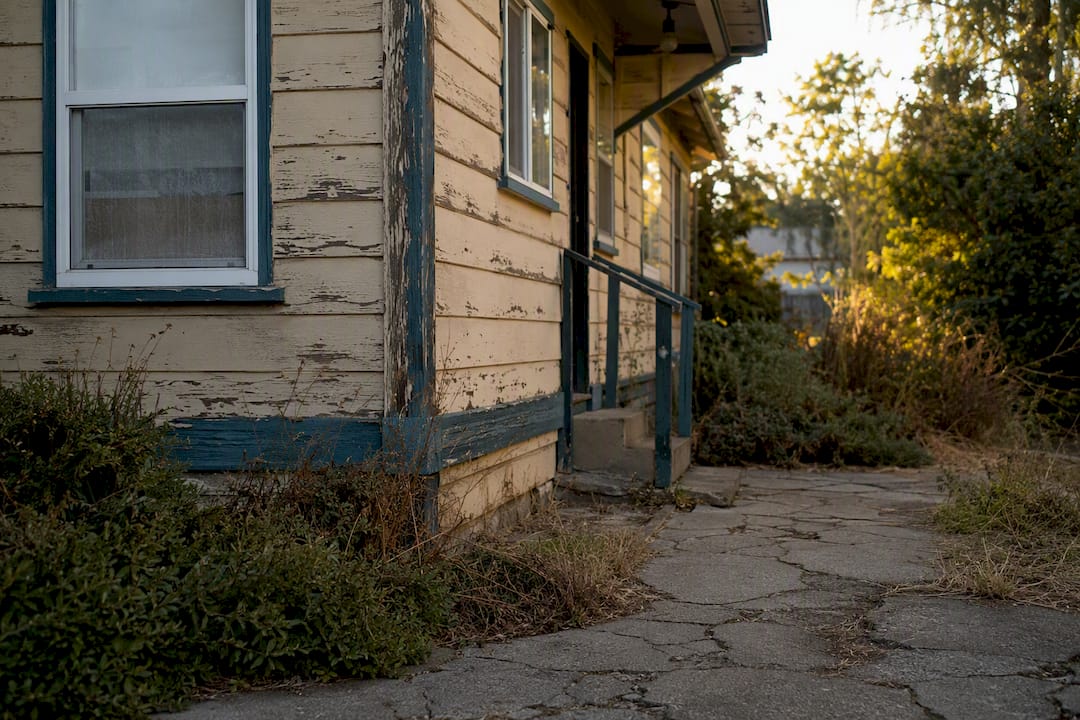
Here's something sellers don't always think through until they're mid-negotiation: every inspection finding is a potential renegotiation, and every low appraisal is a potential price cut you didn't plan for. If your home has deferred maintenance, code issues, or you simply don't have the time or cash to fund repairs a buyer will demand, an as-is cash sale sidesteps that entire process.
That's not the right call for everyone. A traditional sale through the MLS, even at a 1% listing fee, can net you more if your home is in solid shape and priced right for a competitive market. The honest move is to compare both paths side by side, timeline and net proceeds included, before deciding which route fits your situation.
Selling Without The Inspection Headache
If reading through everything an inspector checks made you wince thinking about your own roof or that water heater from 2008, you're not alone, and you're not stuck.

San Diego Cash For Houses gives you two honest paths instead of one forced option. Sell as-is for cash and skip the inspection negotiation entirely, closing in as little as seven days with no repairs, no cleaning, and no buyer walking through your home finding a list of demands. Homeowners dealing with foreclosure timelines, inherited properties, or code violations that would sink a traditional inspection tend to find the cash path especially useful, since none of those issues need fixing first.
Compare your net proceeds under both scenarios before committing to either one. Request a no-obligation cash offer and see the actual numbers side by side, on your timeline, with zero pressure to decide today.
The Real Gap Buyers Underestimate
Most buyers treat the appraisal as the bigger deal because it's tied to their loan. That's backwards in terms of financial risk. A low appraisal costs you a negotiation, maybe some extra cash at closing. A skipped or rushed inspection can cost you tens of thousands of dollars in repairs you didn't see coming, years after you've moved in and the seller is long gone.
The uncomfortable truth is that appraisals and inspections don't talk to each other, and they shouldn't. An appraiser isn't evaluating whether your furnace will die next winter, and an inspector isn't weighing in on whether you're overpaying relative to the block. Treating them as two halves of the same process, rather than two separate checks with different jobs, is where buyers get into trouble.
If you're a seller reading this wondering how much inspection risk sits in your own house, that's worth an honest look before you list. Sometimes the smartest move is comparing what a traditional sale nets you against what a faster, as-is option nets you, side by side, before a buyer's inspector finds something you didn't know was there.
— Justin
Sources
- Inspection vs. Appraisal for Home Buyers: What's the Difference? | Zillow
- Inspection vs. Appraisal: Homebuyer’s Guide | Chase
- Standards of Practice | American Society of Home Inspectors
- How to challenge a home appraisal | Consumer Financial Protection resources