
If you need cash fast or to stop a foreclosure, a direct cash sale wins according to local real estate professional insights. If you need a fixed closing date for probate or estate deadlines, an auction wins. Your priority (speed, price, or certainty) decides the right path, not a one-size-fits-all rule.
TL;DR:
- A cash sale in San Diego can close within one to two weeks, making it ideal for urgent needs like foreclosure or estate deadlines.
- Auctions typically take two to six weeks, including marketing and closing, with fixed sale dates suitable for probate or estate settlements.
- Traditional MLS listings often require one to two months to close and tend to net higher prices when the home is in good condition and the seller has time.
- Cash and auction sales minimize financing fall-through risks, while MLS listings involve a broader buyer pool but with more contingencies.
- Buyers in auctions and cash deals accept homes as-is, often without repairs, whereas MLS buyers usually expect some cleaning or staging prior to sale.
Table of Contents
- Estate Sale vs Auction vs Cash Sale: A Side-By-Side Look
- Which Option Fits Foreclosure, Divorce, Inherited, or Tenant-Occupied Homes?
- What Fees and Timelines Should You Expect?
- How Do You Start a Cash Sale, an Auction, or a 1% Listing?
- Why San Diego Cash For Houses Offers a Direct Way Forward
- Are There Legal Differences Between Selling and Auctioning a House in San Diego?
- Do Auctions or Listings Reach More Buyers?
- How Does Choosing a Sale Path Affect Family Decisions?
- Who Handles Cleanup After the Sale Closes?
- What's the One Rule Worth Remembering?
- Ready to Compare Your Actual Numbers in San Diego?
- Sources
Estate Sale vs Auction vs Cash Sale: A Side-By-Side Look
Every San Diego home sale comes down to trading one thing for another: speed for price, or certainty for flexibility. Here's how the three main paths stack up against each other.
- Timeline to close: A cash sale can close quickly, often within a couple of weeks. An auction typically runs a 2 to 6 week marketing window before sale day, plus closing. A traditional MLS listing, including a flat 1% listing, often takes about one to two months from list to close.
- Who pays fees: Auction sellers generally cover marketing costs and sometimes a commission on top, regardless of outcome. Agent listings charge a commission at closing, but a flat 1% listing replaces the traditional 2.5-3% listing side with a single 1% fee. Cash sales carry no commission at all, since the buyer pays cash and covers standard closing costs.
- Net proceeds: Traditional listings often reach a wider buyer pool and net higher sale prices when the home is in decent shape and time isn't an issue. Auctions trade some of that upside for speed. Cash offers trade more of it for convenience and certainty.
- Buyer pool: MLS listings attract retail buyers who need financing, which adds appraisal and loan contingencies. Auctions and cash sales draw investors and cash-ready bidders, which cuts financing fall-through almost entirely.
- Condition required: Cash buyers and most auction buyers accept the home as-is. A retail MLS sale, even at 1%, usually performs better with basic repairs, cleaning, and staging.
Which Option Fits Foreclosure, Divorce, Inherited, or Tenant-Occupied Homes?
The right path depends less on the house and more on your situation. Here's how the three options match up against the most common reasons San Diego homeowners need to sell fast.
- Facing foreclosure: Time is the enemy here. A cash sale can close before a scheduled trustee auction, which lets you keep your equity instead of losing it to the lender. An MLS listing can work too, but only if you have enough runway before the sale date.
- Going through divorce: Splitting proceeds cleanly matters as much as speed. A cash sale gives both parties a fast, fixed number to divide. A 1% listing can net more if both sides agree to wait out a standard sale timeline without reopening negotiations.
- Inherited property or probate: Auctions can fit tight probate deadlines because the sale date is fixed in advance, which suits estate administration timelines where the court or family needs closure. A cash offer often reduces the administrative burden further, since there's no marketing period or buyer financing to manage. Either route beats sitting on a vacant inherited house while carrying costs.
- Rental property with tenants: Selling as-is to a cash buyer avoids the eviction process entirely, since investors often buy occupied rental property with tenants in place. Listing on the MLS is possible too, but it usually requires either vacant possession or a buyer willing to inherit the lease.
- Damaged homes or code violations: As-is cash offers remove the repair conversation completely. A 1% listing with a full-service agent still works for these homes, since an experienced agent can market unpermitted work or damage honestly and find buyers who expect a project.
Pro Tip: Before you commit to any path, ask for a written net-proceeds estimate. A number on paper, not a verbal promise, is what protects you if circumstances change mid-sale.
What Fees and Timelines Should You Expect?
The numbers matter more than the labels. Here's what actually hits your bottom line with each option.
- Auction fees: Sellers typically cover upfront marketing costs and may still owe those fees even if the property doesn't sell at reserve. Buyer premiums, paid by the winning bidder, can also affect what price a seller nets.
- 1% MLS listing: A flat 1% commission replaces the traditional listing-side fee, which is often 2.5% to 3%, while still including full Realtor® service: pricing strategy, MLS exposure, showings, and negotiation.
- Cash offer discount: Cash buyers typically offer below full retail value in exchange for no repairs, no staging, no showings, and no financing risk. That discount often gets offset by the fees and repair costs a traditional sale would otherwise require.
- Fall-through risk: Traditional listings can collapse over financing or inspection issues discovered late. Auctions and cash sales carry substantially lower fall-through risk because deposits are larger and buyers are cash-ready from the start.
Auction contracts deserve a closer read than most sellers give them. Marketing-fee clauses, buyer-premium mechanics, and reserve terms can leave you owing money even on a home that never sells, so review those terms before you sign anything.
How Do You Start a Cash Sale, an Auction, or a 1% Listing?
Each path has its own sequence. Knowing the steps ahead of time keeps you from getting stuck mid-process.
- Cash sale: Request written offers from vetted buyers, verify proof of funds, sign an as-is purchase agreement, then move through title and escrow, which usually wraps in 7 to 14 days in San Diego County.
- Auction: Get a marketing estimate from the auction house, decide between a reserve or absolute auction, understand what marketing fees you owe regardless of outcome, allow for preview days, then close within the standard escrow window after auction day.
- 1% MLS listing: Sign a listing agreement, complete any recommended repairs or light staging, let the agent run a standard marketing timeline, review offers as they come in, then negotiate contingencies like inspection and appraisal before closing.
San Diego escrow typically runs 21 to 30 days for financed buyers and closer to 7 to 14 for cash transactions. If probate is involved, factor in additional time for court confirmation before any of these timelines start counting down. If foreclosure is the driver, check your trustee sale date first. This is what determines how many of these options are even still on the table.
Why San Diego Cash For Houses Offers a Direct Way Forward
San Diego Cash For Houses runs both of the fastest paths on this list under one roof. Homeowners get competitive cash offers often within 24 hours, with no repairs, no cleaning, and no obligation to accept.
That side-by-side comparison matters most for homeowners dealing with foreclosure, divorce, or an inherited property who don't have time to shop five different companies to find out which route nets more.
Are There Legal Differences Between Selling and Auctioning a House in San Diego?
A traditional home sale, whether through a cash buyer or an MLS listing, follows standard California disclosure law: sellers must complete a Transfer Disclosure Statement and disclose known material defects regardless of price or buyer type. Auctions don't erase that obligation. Disclosure requirements still apply even when a property sells to the highest bidder on a fixed date.
Where auctions differ is in the contract structure. Auction terms often include binding bid agreements, non-refundable buyer deposits, and marketing-fee clauses that a standard purchase agreement doesn't carry. If probate is involved, court confirmation may be required before any sale, cash, auction, or MLS, can close, which adds a layer no ordinary residential transaction has to deal with.
Foreclosure timing raises separate legal stakes. California's non-judicial foreclosure process runs on strict statutory notice periods, and once a trustee sale date is set, a homeowner's options narrow fast. A sale that closes before that date can preserve equity a foreclosure auction would otherwise wipe out. This is one reason cash sales get chosen so often in foreclosure situations: the legal clock, not preference, is doing the deciding.
Do Auctions or Listings Reach More Buyers?
An MLS listing puts your home in front of the widest possible buyer pool: local retail buyers, out-of-area relocators, and investors all search the same database. That reach is exactly why traditional listings tend to net higher prices when a home is in good condition and the seller has time.

Auctions market to a narrower, more specialized audience. Auction marketing typically targets investors and experienced buyers who already understand as-is terms, deposit requirements, and compressed timelines. That focus is a feature, not a flaw, when your goal is a fast, certain sale rather than maximum exposure.
Cash sale buyers occupy a middle ground. There's no public marketing campaign at all. Instead, a company like San Diego Cash For Houses works from an established network of vetted investors, which trades broad exposure for speed and a same-week decision. You're not waiting on showings or open houses. You're getting an offer directly, often within a day of reaching out.
How Does Choosing a Sale Path Affect Family Decisions?
Selling a house rarely happens in isolation, especially with inherited property or a divorce on the table. An auction's fixed date can actually reduce family conflict, since there's no lingering back-and-forth over price. Everyone knows the sale closes on a specific day, which can bring welcome closure to a drawn-out estate settlement.
But that same rigidity can backfire. Siblings who disagree about a reserve price, or a divorcing couple who can't agree on listing terms, may find an auction's public nature adds pressure rather than relieving it. A cash sale sidesteps a lot of that friction because the offer is a single number, accepted or not, without a countdown clock or public bidding forcing a decision.
Showings, negotiations, and repair requests all create more opportunities for family members to disagree about how to proceed. For families who want the transaction over quickly so they can move on emotionally, not just financially, a fast, private cash sale often reduces the number of decisions everyone has to make together.
Who Handles Cleanup After the Sale Closes?
What happens after the sale closes is where estate sales and auctions genuinely diverge, and it catches a lot of sellers off guard. An auction sale of the real property itself doesn't include personal belongings left inside. Unless a separate agreement covers contents, the seller (or the estate) remains responsible for clearing out furniture, appliances, and any unsold items before or at closing.
A cash sale to an investor is usually the simplest here. Most cash buyers, including San Diego Cash For Houses, purchase homes with contents left inside included, which means no dumpster rental, no donation runs, and no weekend spent hauling out a garage full of belongings. That's a meaningful relief for anyone managing an inherited estate from out of state or juggling a tight foreclosure timeline.
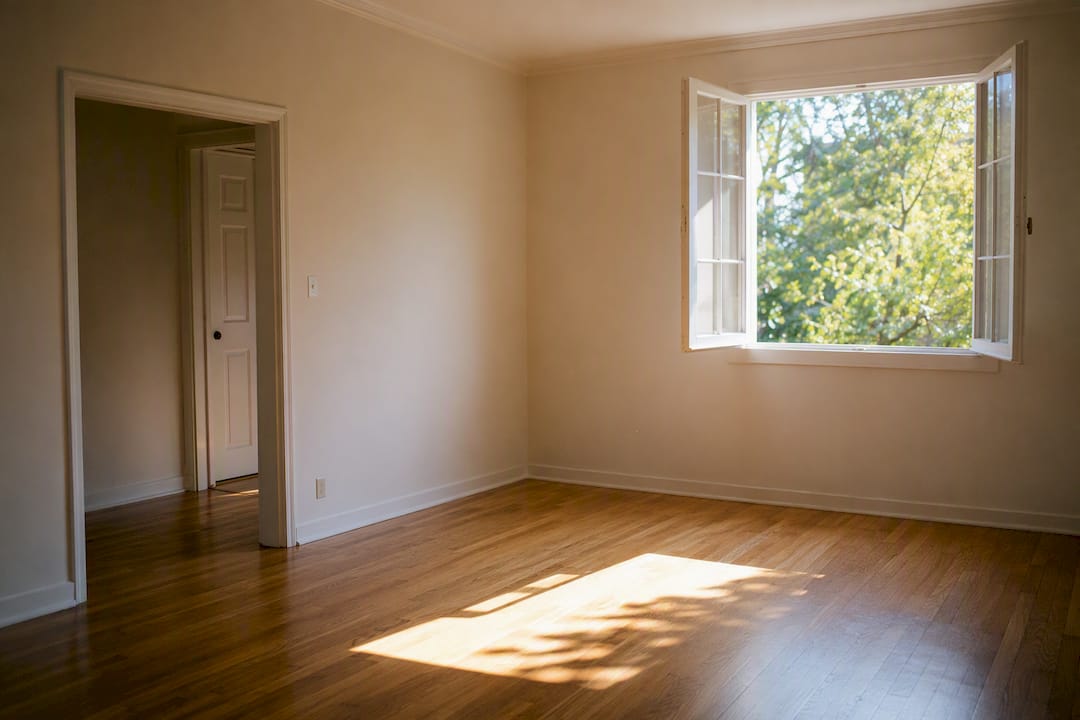
A traditional MLS listing sits in between. Buyers generally expect an empty, cleaned property at closing, so sellers need to budget time and money for cleanup regardless of whether they used a full-price agent or a 1% listing service. If the home has code violations or years of deferred maintenance, that post-sale responsibility can turn into a real logistical headache. Factoring cleanup costs into your net-proceeds comparison before you pick a path prevents an unpleasant surprise at the closing table.
What's the One Rule Worth Remembering?
If you need money now, call a cash buyer. If you need a fixed date for probate or estate reasons, consider an auction. Before signing anything, run the net-proceeds math side by side, because the fastest option and the most profitable one are rarely the same choice.
— Justin
Ready to Compare Your Actual Numbers in San Diego?
You don't have to guess which path fits your situation. San Diego Cash For Houses is the direct alternative to juggling separate auction houses and traditional agents: one company, two paths, and a real financial comparison before you commit to either one.

If your priority is speed, request a cash offer and you'll typically hear back within 24 hours with a no-obligation number based on your home's current condition. If you're facing a looming trustee sale, the foreclosure page walks through how a fast close can preserve the equity you'd otherwise lose. And if you'd rather list and capture more of the market price without paying full commission, the 1% listing service includes full Realtor® support at a fraction of the standard cost. Reach out today, get your numbers in writing, and decide from there.
Sources
- Real Estate Auctions vs. Traditional Listings: Which Is Right for You?
- Auction vs FSBO vs Agent — ListWithClever
- Is Selling a House at an Auction Better Than Using a Realtor? - Housing Discovery
- Selling a Home at Auction: Pros, Cons, and How to Get Started - HomeLight